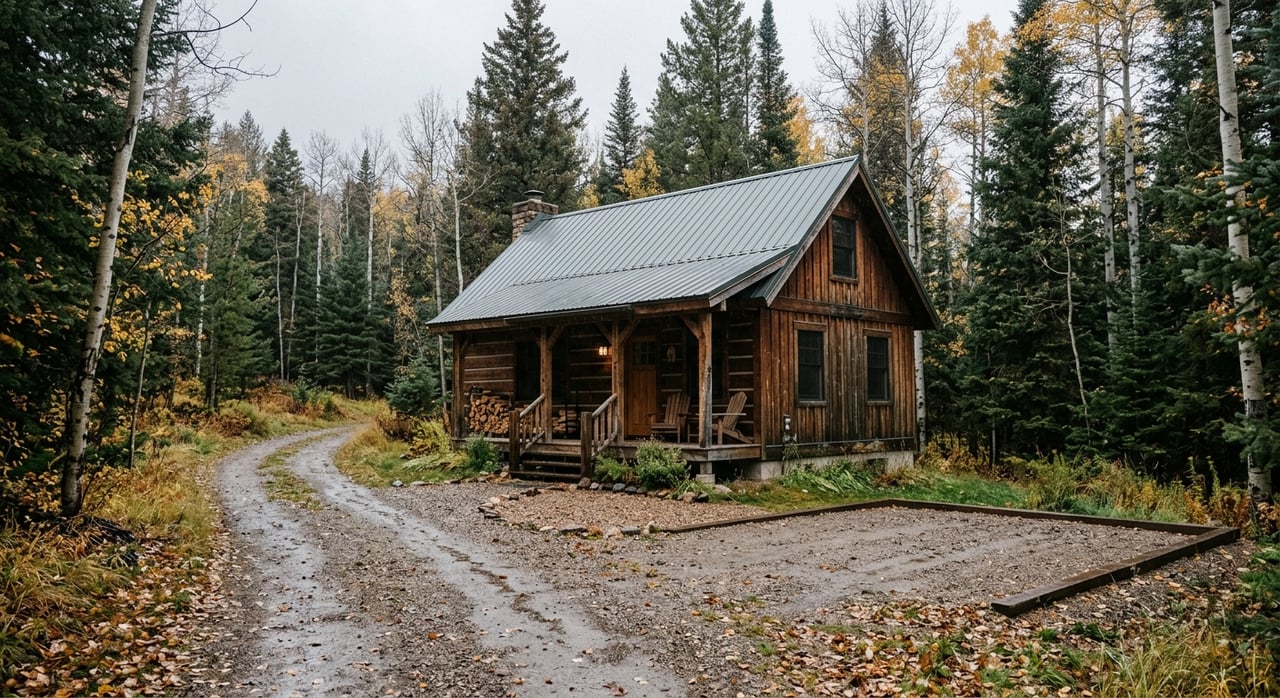
Wondering whether to buy land or an existing home in Eureka? You are not alone. In a place like Eureka, both options can support a mountain lifestyle, but they come with very different timelines, costs, and day-to-day responsibilities. If you want a clearer way to compare the two, this guide will walk you through the local factors that matter most. Let’s dive in.
Why this choice feels different in Eureka
Eureka is a small rural town along Highway 93, surrounded by the Kootenai National Forest and shaped by easy access to parks, the Tobacco River, Main Street businesses, and year-round community events. Because of that setting, the decision is often not just about where you want to be. It is also about how much work you want to take on after closing.
A finished home can give you a faster path to enjoying the property. Land can give you more freedom to design around privacy, recreation, storage, or a future custom build. Both can be great options in Tobacco Valley, but they ask different things from you as a buyer.
Utilities also play a role in the decision. InterBel markets gig-speed fiber in Eureka and across Lincoln County, and Lincoln Electric Cooperative operates from Eureka as well. That said, parcel-level confirmation still matters, because service availability can vary by property.
The Town of Eureka is also working on a Growth Policy, an updated Capital Improvement Plan, and a 2026 wastewater preliminary engineering report. That is a good reminder that even in a small town, infrastructure and planning are active issues. You should not assume a lot or a home is separate from bigger utility and service questions.
Buying land in Eureka
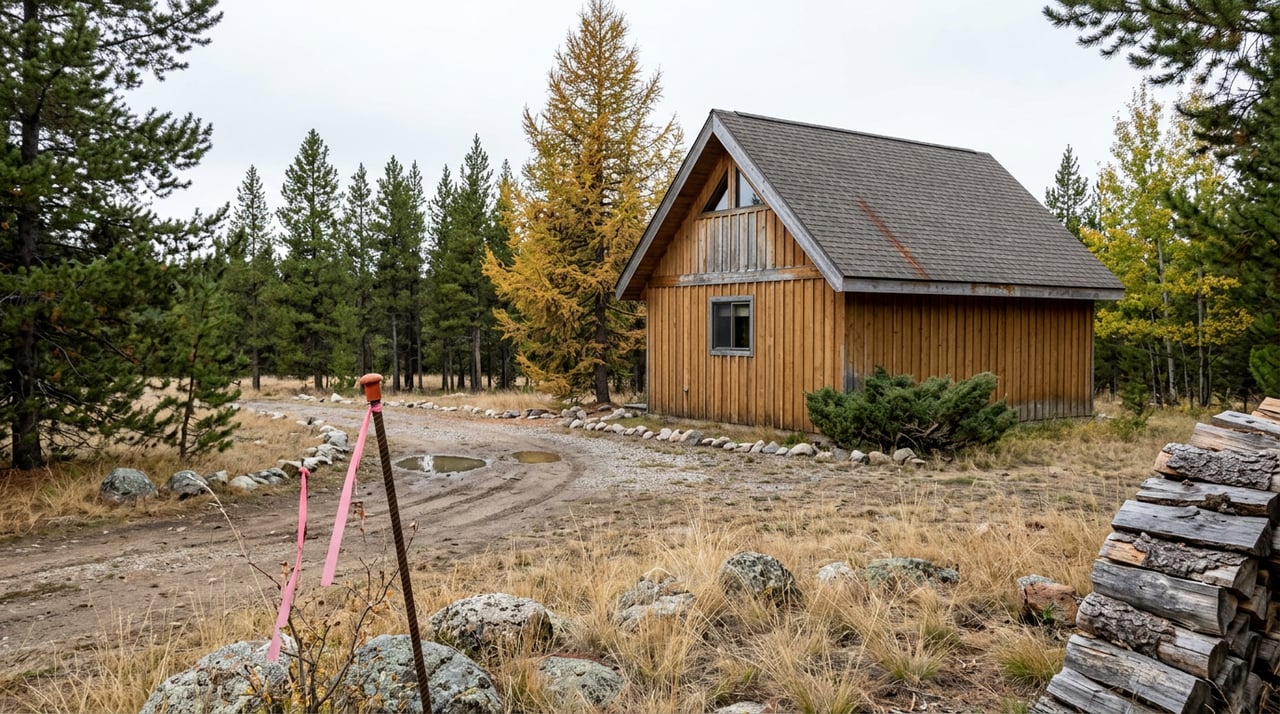
Buying raw or lightly improved land in Eureka can be exciting, especially if you want room to build, spread out, or create a more private setup. It can also involve more steps than many out-of-area buyers expect. In Lincoln County, land purchases often connect to subdivision review, floodplain rules, sanitation review, and road access questions.
That does not mean land is a bad choice. It means you need to look at the property as a site plan, not just a parcel on a map.
Check legal creation and subdivision status
One of the first questions is whether the parcel was legally created for your intended use. Lincoln County’s subdivision materials show just how detailed that process can be. They include items such as road maintenance agreements, fire-risk assessment forms, road-approach documents, hammerhead turnaround design, covenants, and building-with-wildlife guidance.
For you as a buyer, that means a beautiful piece of ground is only part of the story. You also want to understand what county approvals, recorded agreements, or site requirements may already exist before you start planning a build.
Confirm wastewater feasibility
Wastewater is one of the biggest practical issues with rural land. Lincoln County says a local wastewater treatment permit is always required before a system is installed. Site evaluations must be completed by a county sanitarian or a registered professional engineer.
This is one of those steps that can shape whether a parcel truly works for your goals. If you are thinking about building, it is smart to verify wastewater feasibility early rather than treating it as a later detail.
Verify road access
Access can make or break a land purchase. Lincoln County’s North Annex in Eureka handles road approach permit applications and payments, which tells you that access questions are a routine part of the local process.
If a parcel looks ideal on paper, you still want to confirm how legal and physical access works. That includes whether a road approach is already in place, whether maintenance responsibilities are shared, and how the property functions during different seasons.
Review floodplain rules
Floodplain rules matter in parts of Lincoln County and can affect both cost and build plans. The county requires permits for construction in mapped floodplain areas. It also says allowed construction must have the lowest floor two feet above the 100-year floodplain elevation.
The county further notes that flood insurance is mandatory for most mortgages in mapped high-risk areas. So if a parcel sits near water or low ground, floodplain review should be part of your early due diligence.
Think about seasonal roads and wildfire planning
Seasonal access can have a bigger impact on land than on an existing home. Lincoln County posts Eureka-area spring road restrictions, including roads that may be limited to lighter loads or daylight hours. The county emergency alert system on AM 530 also shares current road and weather conditions, wildfire danger levels, burning restrictions, and closures.
Wildfire planning is another local factor. Lincoln Electric Cooperative’s 2025 wildfire mitigation plan emphasizes home ignition zones and offers a free DNRC assessment, and the county subdivision packet includes fire-risk evaluator materials. In practical terms, you are not just buying scenery. You are planning for how the site will function and how the property can be developed responsibly.
Buying an existing home in Eureka
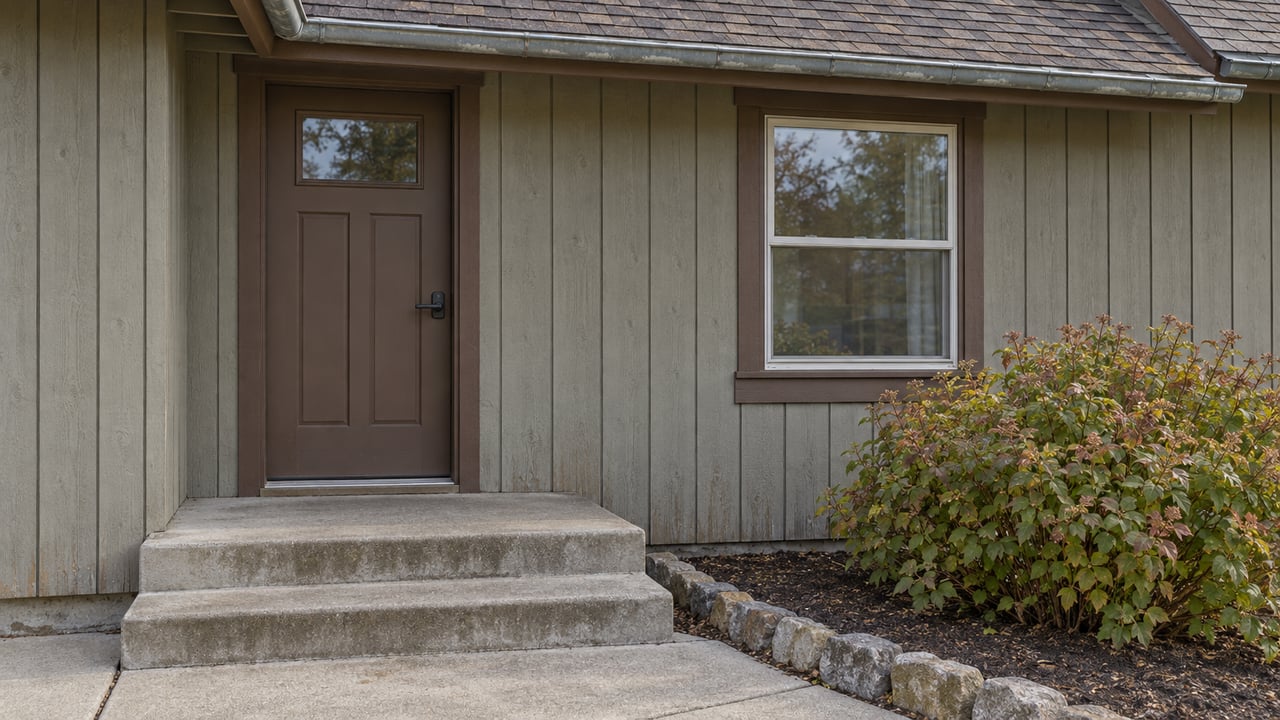
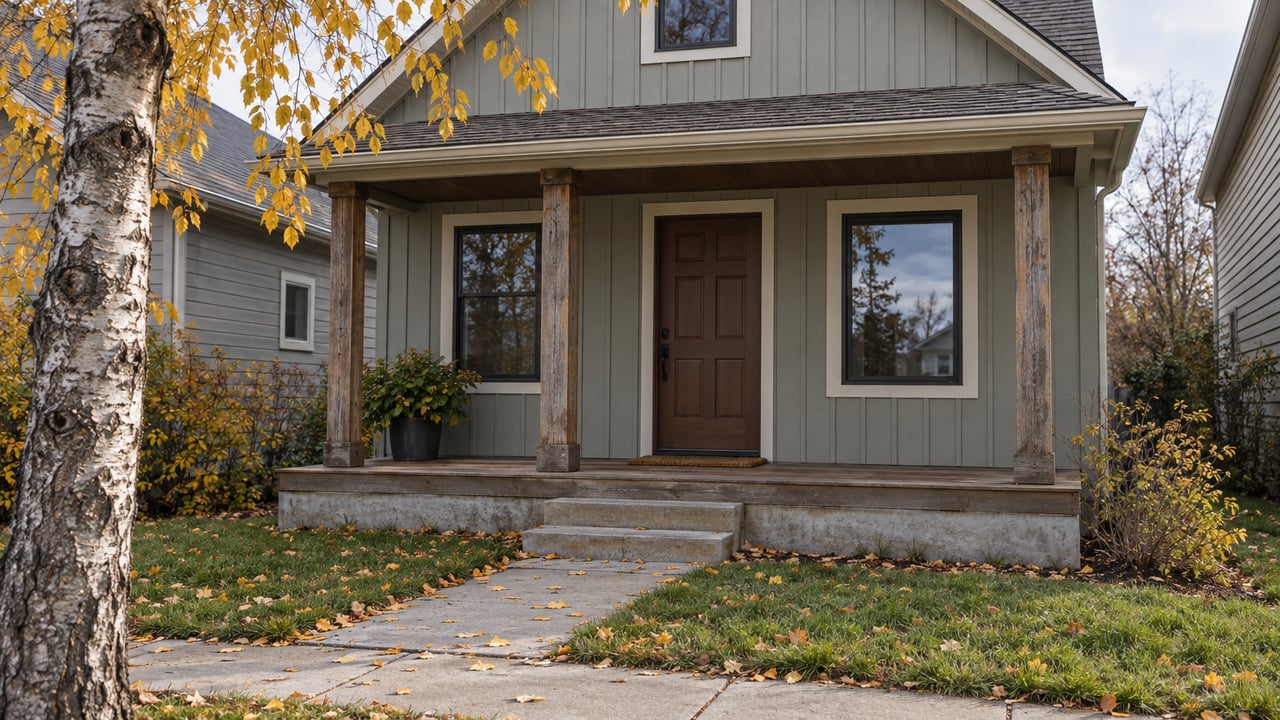
If your goal is simplicity, an existing home often offers the easier path. In many cases, the house, driveway, and at least some utility infrastructure are already in place. That can be especially appealing if you are buying a second home, relocating, or simply want to start using the property soon after closing.
In Eureka, that convenience also comes with access to the town setting. The area includes Riverside Park, Tobacco River access, Memorial Park, Main Street shops and restaurants, and community events throughout the year. For many buyers, that mix of convenience and small-town Montana character is a strong reason to focus on homes instead of raw land.
A home can reduce the planning load
With an existing home, you are usually not starting from zero. The structure is already there, and many of the major site questions have already been addressed in some form. That can save you time, reduce uncertainty, and make budgeting easier.
This is often why finished homes appeal to out-of-area buyers and recreational buyers. If you want speed and a more predictable ownership setup, a move-in-ready property may be the better fit.
A home still needs local due diligence
Even when a home feels simple, it still sits within Eureka’s broader infrastructure context. The town is actively working on a wastewater preliminary engineering report, a Growth Policy, and an updated Capital Improvement Plan. Because of that, it is wise to ask about utility condition, future service changes, and whether nearby work could affect your plans.
A finished home also does not remove site-specific risk. If the property is near a mapped floodplain, Lincoln County’s floodplain rules still apply. Insurance needs or elevation-related issues may still affect the purchase.
Financing and timing differences
One of the biggest differences between buying land and buying a home is financing. The research for Eureka points to a practical truth: land loans and home loans are often structured differently, and rural acreage can add complexity.
USDA programs may be relevant for eligible buyers in eligible rural areas. The research report notes that USDA’s Guaranteed Loan Program can provide up to 100% financing for eligible borrowers in eligible rural areas, and USDA now offers single-close construction-to-permanent financing. USDA also has Rural Housing Site Loans in Montana designed to finance the purchase and development of housing sites for low- and moderate-income families.
That does not mean every buyer will use USDA. It does mean there may be more than one financing path if you want to build in a market like Eureka.
Conventional financing can also be less straightforward on rural acreage. The research report notes that properties with more than 10 acres, agricultural income, or difficult appraisals can be non-standard for some conventional loans. For that reason, it helps to talk with a lender early about whether a standard mortgage, a construction-to-permanent product, USDA financing, or another structure fits your goals.
Timing is usually the clearest tradeoff
For most buyers, the timeline difference is the easiest part to understand. A finished home can usually move from offer to occupancy much faster. Land often brings a longer runway because it can involve county review, sanitation approval, floodplain checks, utility verification, design work, and contractor scheduling.
That longer timeline is not necessarily a problem if your goal is to create something tailored to your needs. But if you want a straightforward purchase and faster use of the property, an existing home often gives you more certainty.
Land versus home at a glance
Here is a simple way to think about the tradeoff in Eureka:
| Option | Best fit for you if... | Main advantage | Main challenge |
|---|---|---|---|
| Land | You want acreage, privacy, or a custom build | Flexibility and room to shape the property | More planning, permitting, and infrastructure review |
| Existing home | You want speed, certainty, and simpler setup | Faster path to use and occupancy | Less freedom to design from scratch |
How to decide in Eureka
If you are choosing between land and a home in Eureka, start with your real goal instead of the listing type. Ask yourself whether you want immediate use or long-term flexibility. Then weigh how much time, review, and coordination you are comfortable taking on.
Land may be the better fit if you want privacy, room for recreation, storage, or a custom build and you can handle a longer planning process. A home may be the better fit if you want to settle in quickly, reduce uncertainty, and spend less time coordinating infrastructure questions.
In a market like Eureka, local knowledge matters because the details can change from parcel to parcel and neighborhood to neighborhood. Having someone who understands Lincoln County land use questions, town infrastructure context, and the practical differences between acreage and in-town homes can save you time and help you make a more confident decision.
If you are comparing land and homes in Eureka and want practical, local guidance, Charity Waldo can help you sort through the options and find the right fit for your goals.
FAQs
What should you check before buying land in Eureka?
- You should confirm subdivision status, wastewater feasibility, road access, floodplain conditions, and seasonal access issues before assuming a parcel is ready for your intended use.
Is buying a home in Eureka usually easier than buying land?
- Yes, an existing home often offers a simpler path because the house, driveway, and at least some utility infrastructure are already in place, though you still need to review floodplain and utility context.
Do floodplain rules affect land and homes in Eureka?
- Yes, Lincoln County floodplain rules can affect both vacant land and existing homes in mapped areas, including permit requirements and possible flood insurance needs.
Why does road access matter when buying Eureka land?
- Road access matters because legal access, road approaches, maintenance responsibilities, and seasonal restrictions can all affect how usable a parcel is.
How is financing different for land versus a home in Eureka?
- Land financing is often more complex than home financing, and eligible buyers may want to ask lenders about standard mortgages, construction-to-permanent options, USDA programs, or other loan structures.
When is land a better choice than a home in Eureka?
- Land is often the better choice if you want acreage, privacy, and flexibility for a future build and you are comfortable with a longer planning and approval process.