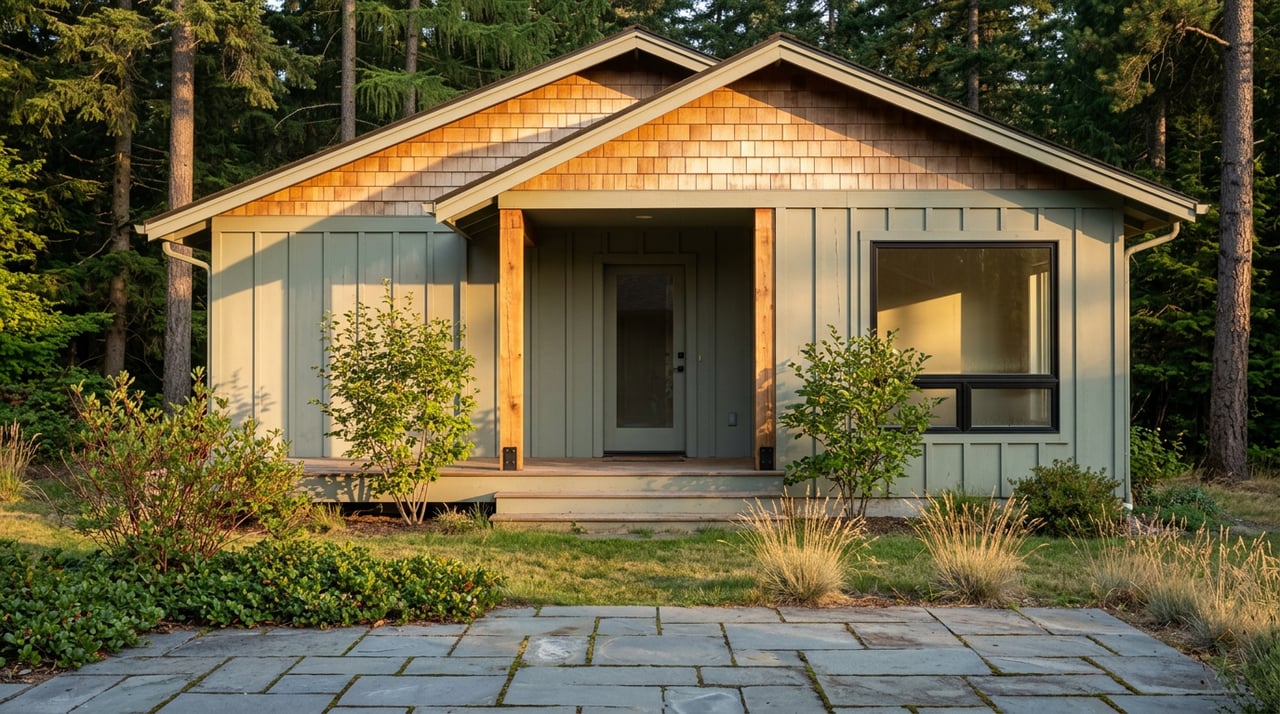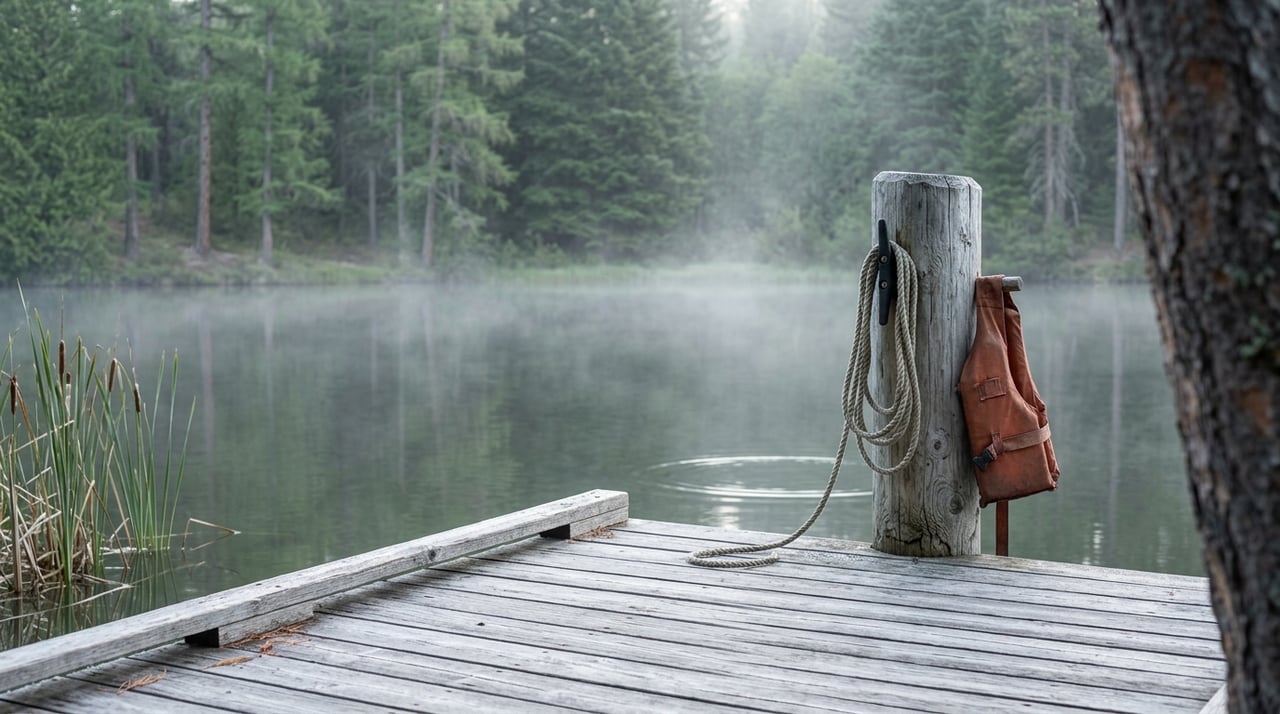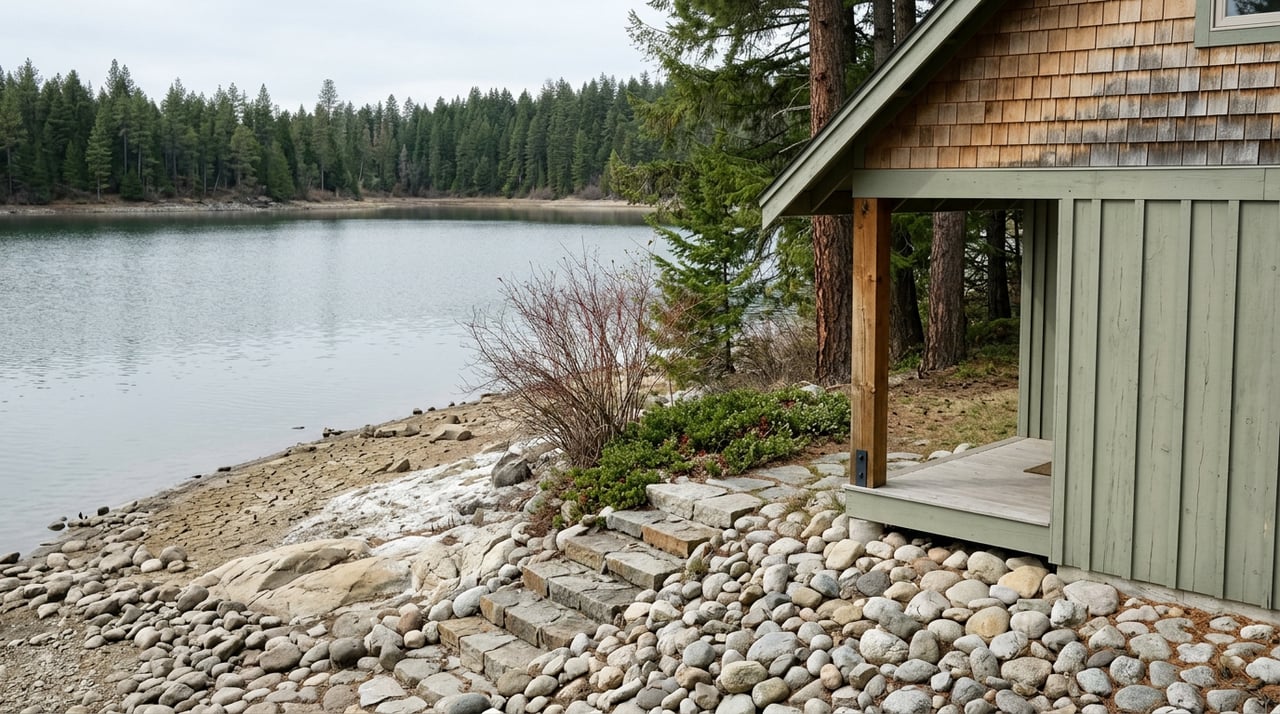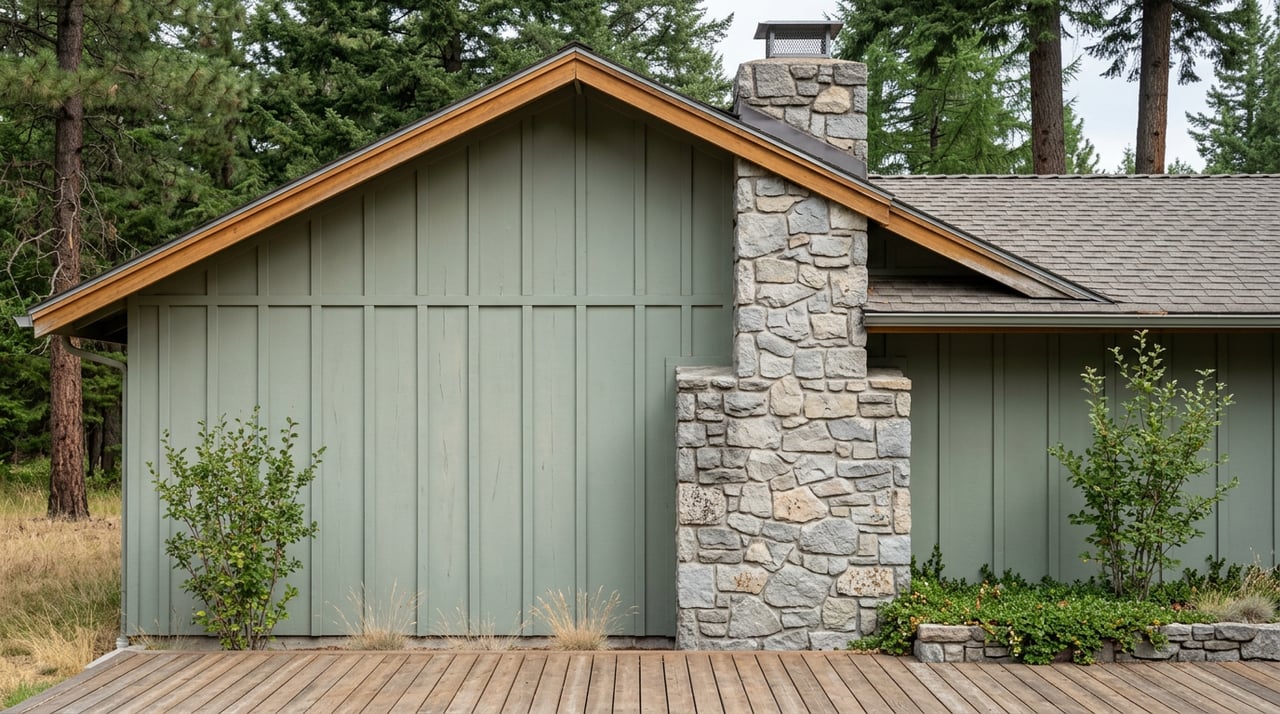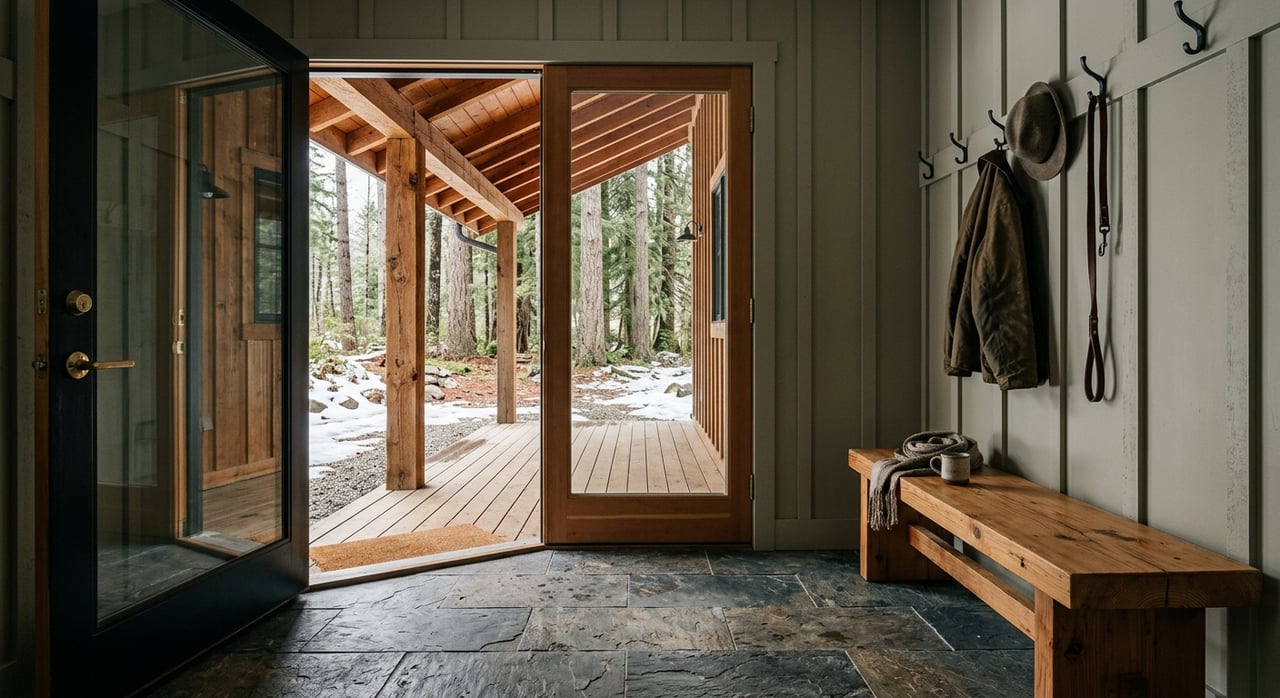
Dreaming about a place in Whitefish where you can ski in winter, spend time on the lake in summer, and slip away for long weekends the rest of the year? You are not alone. A second home here can be a great lifestyle move, but it also comes with real planning around access, weather, taxes, and rental rules. If you are thinking about buying in this part of Northwest Montana, this guide will help you focus on the details that matter most. Let’s dive in.
Why Whitefish Appeals to Second-Home Buyers
Whitefish offers a rare mix of mountain, lake, and year-round recreation. The city describes Whitefish as one of western Montana’s major recreation centers, with Whitefish Mountain Resort, Glacier National Park, Whitefish Lake, and other outdoor access all shaping daily life.
That balance is a big reason second-home buyers keep Whitefish on their shortlist. It is not just a ski destination or just a lake destination. It functions as both, with a four-season rhythm that supports weekend use, seasonal stays, and longer retreats.
Access Makes Ownership Easier
For many out-of-area buyers, easy access is part of the decision. Glacier International Airport is about 12 miles from Whitefish, and Amtrak has daily eastbound and westbound stops at the historic Whitefish Depot.
Local transportation also helps support flexible travel plans. The city says Mountain Climber runs a fixed weekday bus route between Whitefish, Kalispell, and Columbia Falls, and the Snow Bus runs in winter between town and the ski area. If you expect to come and go often, those options can make second-home ownership feel more practical.
Plan for Whitefish Winters
Snow and cold affect ownership
Whitefish Mountain Resort reports average snowfall of 300 inches and an average temperature of 24 degrees Fahrenheit. Those numbers matter when you own a property that may sit empty between visits.
In practical terms, winter ownership often means planning ahead for snow removal, heat checks, winterization, and a local backup plan if weather delays your travel. Even if your second home is for personal use only, a vacant property in a winter climate needs regular attention.
A local support plan matters
If you do not live nearby full time, reliable local help can make a big difference. Periodic property checks, vendor coordination, and seasonal maintenance can help you protect the home and avoid surprises when you arrive.
This is especially important in a market like Whitefish, where weather is part of the ownership equation. A beautiful mountain setting often comes with hands-on upkeep.
Lake Use Has Seasonal Rules
If your second-home vision includes Whitefish Lake, it is important to understand the local rules. Whitefish requires all motorized and non-motorized watercraft to be inspected before launching in Whitefish Lake.
Staffed inspection stations operate from May 1 through September 30. The boat ramps are locked in the off-season, and nonresident watercraft must purchase a Vessel AIS Prevention Pass.
For buyers who want a lake-centered retreat, these details are part of ownership planning. They do not take away from the experience, but they do affect how you prepare for the season and how you use your property.
Can You Rent Out a Second Home?
Whitefish short-term rental rules are strict
Many buyers ask whether a second home can also generate rental income. In Whitefish, the answer can be yes, but only if the property meets zoning and permit requirements.
The city defines a short-term rental as a furnished dwelling unit, or part of one, used for stays of under 30 days. Short-term rental permits are allowed only in specific zoning districts, so you should confirm zoning before assuming nightly rental use is allowed.
Permits and registration come first
Owners must obtain a Short-Term Rental Permit and Business Registration through the city. The city lists a $400 annual fee plus an annual fire inspection.
The permit packet also adds several operational requirements. These include proof of a State of Montana Public Accommodation License for a tourist home through the Flathead City-County Health Department, parking compliance, commercial-rate trash service, no exterior advertising signage, and monthly resort-tax reporting even when gross sales are zero.
Absentee owners have added responsibilities
If you will not be in Whitefish full time, the city’s permit packet adds another important layer. It requires a visible emergency contact notice if the owner is away, and it states that the property must be maintained and may be subject to enforcement if conditions are violated.
That means short-term rental ownership here is not casual. If rental income is part of your plan, you should think of compliance and local management as part of the cost of doing business.
Understand the Tax Picture
Short-term lodging taxes add up
If you plan to rent the home on a short-term basis, tax planning matters. Montana says overnight lodging is subject to a 4% lodging facility use tax and a 4% lodging facility sales tax.
Whitefish is also a 3% resort-tax community, and the city’s permit application says short-term rental owners must report and remit resort tax monthly. Added together, that creates a public-tax baseline of 11% on short-term lodging before any other fees or platform charges.
Owners still need to track compliance
The Montana Department of Revenue notes that booking platforms or property managers may collect and remit taxes, but the owner remains responsible. For second-home buyers, this is a helpful reminder that rental income involves more than listing a property online.
Before you buy, it is smart to understand how taxes, reporting, and local rules will affect your monthly and annual budget. A property that looks good on paper can feel very different once compliance costs are included.
Budget Beyond the Purchase Price
Second-home ownership in Whitefish usually involves more than the mortgage and insurance. Flathead County says property taxes are due in November and May, tax bills reflect ownership as of January 1, and failure to receive a tax statement does not remove the payment obligation.
The county also says its alternative monthly payment schedule is for primary residences. That is an important distinction if you are buying a second home and building a long-term budget.
In everyday terms, your ownership costs may also include utilities, snow or lawn service, periodic inspections, vendor walk-throughs, and turnover costs if the property is rented. In a seasonal market, those expenses are easier to manage when you plan for them from the start.
Furnishing Strategy Matters More Here
If you may use the home personally and rent it at other times, furnishing choices carry more weight. Whitefish short-term rentals must be furnished, and the market’s visitor-driven nature can make durability and ease of maintenance especially important.
Many second-home buyers think in terms of durable finishes, simple resets between stays, and lockable owner storage. Even if you never rent the home, a practical furnishing plan can make the property easier to maintain and enjoy.
How to Buy Smarter in Whitefish
Start with your real goal
Before you tour homes, get clear on how you want to use the property. Are you looking for a personal retreat, a part-time getaway with occasional guests, or a home that may also serve as a short-term rental?
That answer shapes almost everything else, from location and layout to zoning and carrying costs. A lake-access lifestyle and a winter ski base can overlap, but your day-to-day priorities still matter.
Confirm the rules early
If rental potential is important, zoning should be one of your first checkpoints. In Whitefish, short-term rental legality depends on the parcel’s zoning and the city’s permit requirements.
This is one reason local guidance matters. It can help you avoid falling in love with a property that does not support your intended use.
Build a realistic ownership plan
The strongest second-home purchases usually come with a practical plan for arrival, departures, maintenance, and seasonal care. In Whitefish, that often means thinking through winter support, property checks, and vendor relationships before closing day.
When you buy with those realities in mind, your second home is more likely to feel like a retreat and less like a list of surprises.
Owning a second home in Whitefish can be deeply rewarding. You get access to a four-season mountain town with strong regional access, lake time, winter recreation, and the kind of scenery that brings people back year after year. The key is making sure your purchase fits not only your lifestyle, but also the local rules and the practical demands of owning from afar.
If you are considering a second home in Whitefish or anywhere in Northwest Montana, working with someone who understands recreational property, regional access, and local ownership realities can help you move forward with confidence. Reach out to Charity Waldo for thoughtful, hands-on guidance.
FAQs
What makes Whitefish appealing for a second home?
- Whitefish offers four-season recreation with access to Whitefish Mountain Resort, Whitefish Lake, Glacier National Park, and regional transportation that supports weekend or seasonal use.
What should second-home buyers know about Whitefish winters?
- Whitefish Mountain Resort reports average snowfall of 300 inches and an average temperature of 24 degrees Fahrenheit, so buyers should plan for snow removal, winterization, heat checks, and local property support.
Can you use a Whitefish second home as a short-term rental?
- Yes, but only if the property is in an eligible zoning district and you meet the city’s permit, registration, inspection, health-department, and tax requirements.
What are the main Whitefish short-term rental costs and rules?
- The city lists a $400 annual short-term rental permit fee, an annual fire inspection, business registration, monthly resort-tax reporting, and operating requirements such as parking compliance and commercial-rate trash service.
What taxes apply to short-term rentals in Whitefish?
- Montana applies a 4% lodging facility use tax and a 4% lodging facility sales tax, and Whitefish adds a 3% resort tax, creating an 11% public-tax baseline before other fees or platform charges.
What should out-of-area buyers budget for with a Whitefish second home?
- In addition to purchase costs, many owners plan for property taxes, utilities, snow or lawn service, periodic inspections, vendor visits, and possible turnover expenses if the home is rented.
What should lake-oriented second-home buyers know about Whitefish Lake?
- All motorized and non-motorized watercraft must be inspected before launching in Whitefish Lake, staffed inspections run from May 1 through September 30, off-season boat ramps are locked, and nonresident watercraft need a Vessel AIS Prevention Pass.