Dreaming about a place in Whitefish where you can spend ski weekends, lake days, or long summer escapes? You are not alone. Whitefish has become one of Northwest Montana’s most sought-after vacation-home markets, and buying here takes more than falling in love with the view. If you want to understand the local market, compare property types, and avoid costly surprises around rentals, access, and upkeep, this guide will help you get grounded before you buy. Let’s dive in.
Why Whitefish Draws Vacation-Home Buyers
Whitefish stands out because it is not a one-season resort town. The area is centered around Whitefish Mountain Resort, Whitefish Lake, and access to Glacier National Park, with a tourism-based economy supported by more than 800 locally owned businesses, according to the Whitefish Chamber. The city also describes Whitefish as a major recreation center, which helps explain why buyer demand comes from both winter and summer use.
That year-round appeal matters when you are buying a second home. You are not just purchasing for ski season or for a few weeks at the lake. In Whitefish, many buyers are looking for a property they can enjoy across multiple seasons, whether that means powder days, hiking, boating, or simply having a mountain-town retreat.
What the Whitefish Market Looks Like
Whitefish is an established vacation-home market, and pricing reflects that. In the city’s 2025 Housing Needs Assessment, the median sold price for Whitefish-area homes sold from January through April 2025 was $906,625. The same report found that 65% of listings were priced above $1 million, while only 7% were below $500,000.
That same housing assessment also found that 17.9% of dwelling units in Whitefish were seasonal or recreational. For you as a buyer, that is a useful signal. Vacation ownership is already a meaningful part of the local housing mix, so you are entering a market where second homes are common, but competition and pricing can still be significant.
Choose the Right Property Type
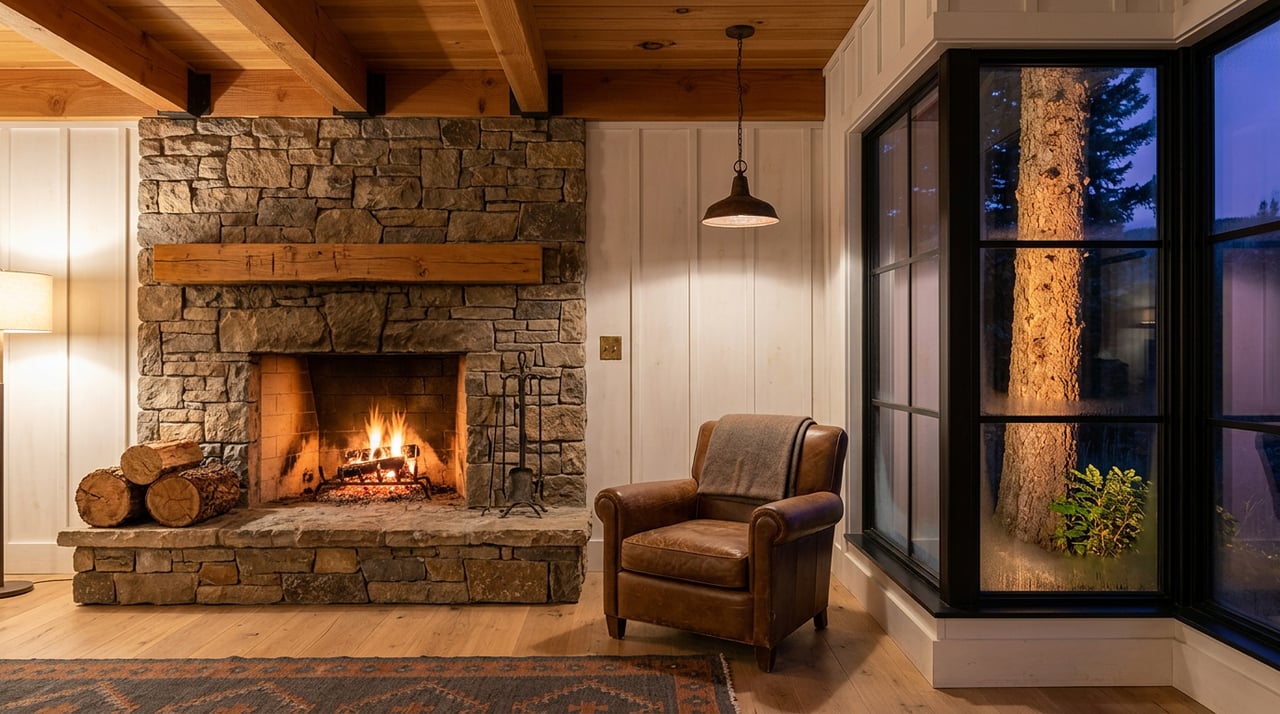
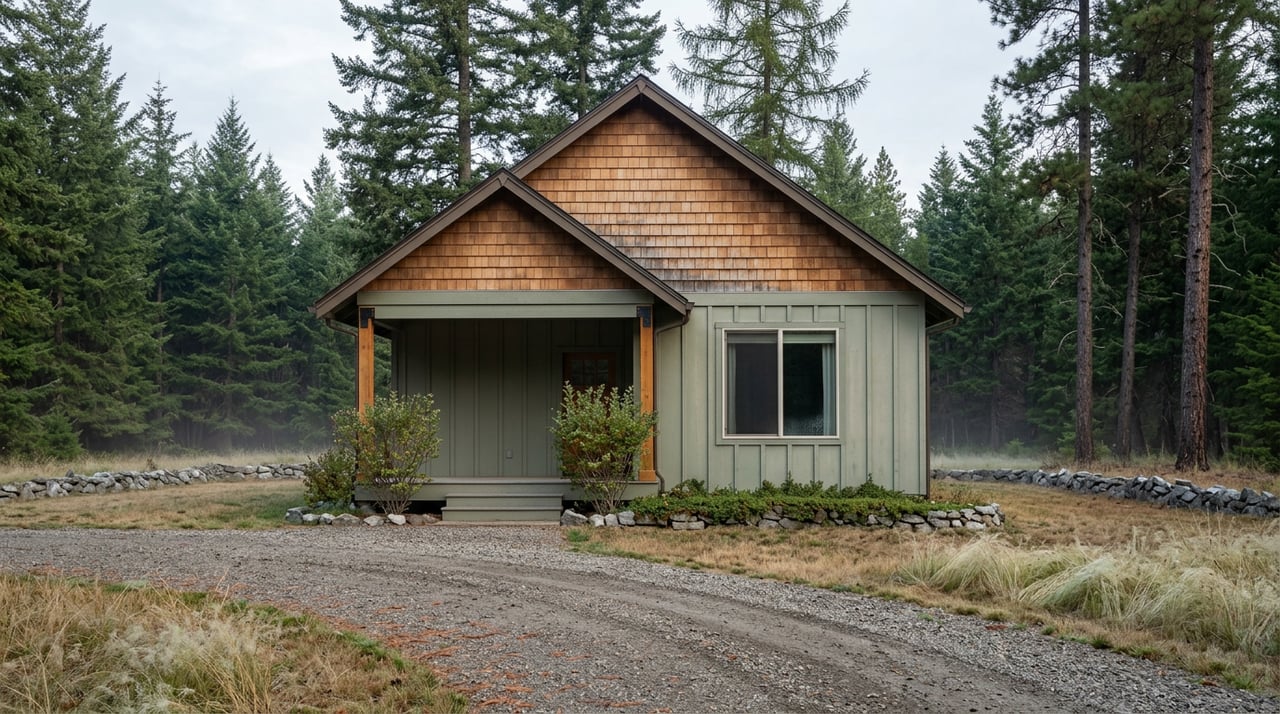
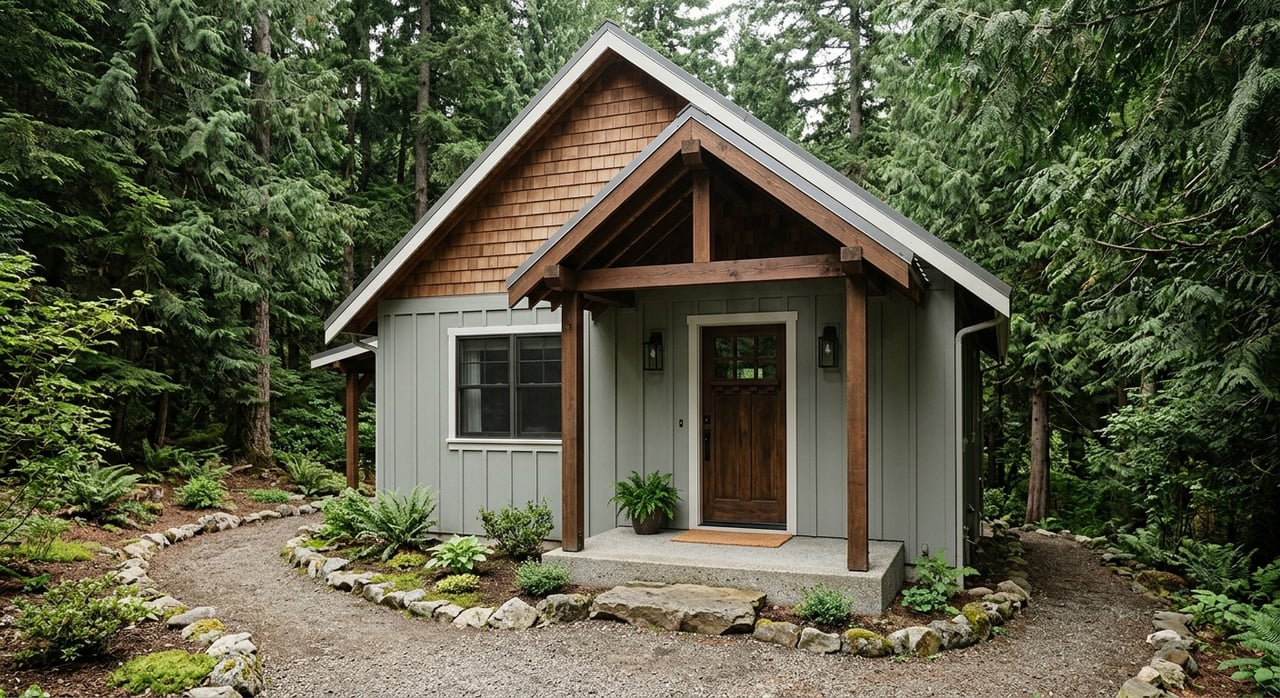
Whitefish offers more variety than many buyers expect. Depending on your budget, goals, and how often you plan to visit, you may be comparing detached homes, townhomes, condos, or resort-style ownership.
The city’s housing update shows permits in recent years have included single-family homes, townhome and duplex units, accessory dwelling units, and multi-family buildings, based on the city’s housing update. That means your search does not need to focus only on luxury standalone homes. In many cases, attached or condo-style ownership may offer a simpler fit for a part-time owner.
Detached Homes
A detached home can give you more privacy, more storage, and more flexibility for personal use. This option may work well if you want room for family visits, gear, or outdoor living space.
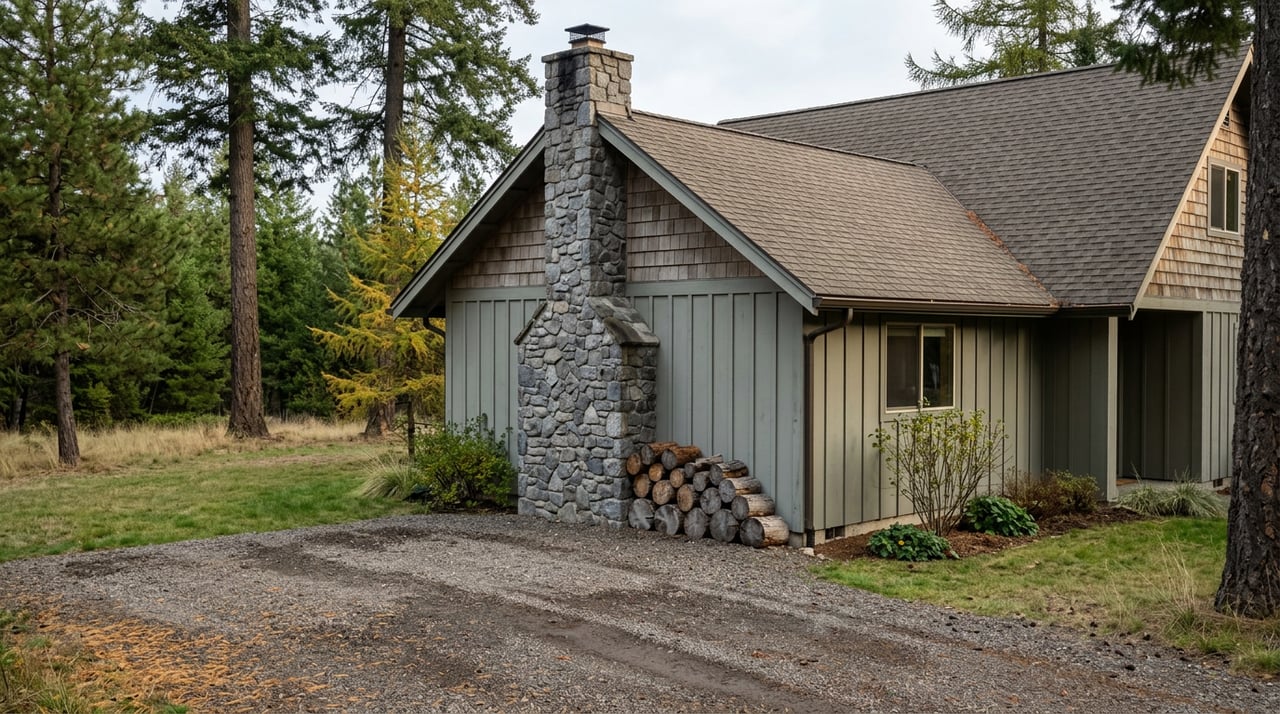
That said, a single-family vacation home often comes with more hands-on maintenance. Snow removal, exterior upkeep, seasonal inspections, and winterization tend to become a bigger part of ownership.
Condos and Townhomes
Condos and townhomes can be appealing if you want a more lock-and-leave lifestyle. Depending on the community, shared exterior maintenance may reduce the amount of work you need to manage from a distance.
Before you buy, it is wise to review HOA rules carefully. If rental income is part of your plan, community rules may matter just as much as city regulations.
Resort-Style and Lock-Off Options
At Whitefish Mountain Resort, buyers may see condos, townhomes, houses, hotel-style lock-offs, and ski-in/ski-out properties, according to Whitefish Mountain Resort. These can be attractive if your priority is direct access to the mountain and a true resort setting.
This category often comes with a different ownership experience. You may gain convenience and strong vacation appeal, but you still need to evaluate costs, rules, access, and how the property will function in both peak and slower seasons.
Mountain vs. Lake Location
One of the biggest decisions is where in Whitefish you want to own. In simple terms, many vacation-home buyers end up choosing between mountain-oriented living and lake-oriented living.
Buying Near Whitefish Mountain Resort
Mountain properties tend to appeal to buyers who want winter recreation front and center. Whitefish Mountain Resort reports 2,995 acres of terrain, more than 7 lifts, and an average of 295 inches of snowfall in the winter 2025/26 season, according to the resort’s stats.
If you are shopping near the resort, think beyond the view and the drive time. Snow access, winter road conditions, plowing, and cold-weather maintenance should all be part of your budget and decision-making.
Buying Near Whitefish Lake
Water-oriented buyers are often looking for a different rhythm. Whitefish Lake is seven miles long and one mile wide, and the city notes that City Beach is within walking distance of downtown. The area also includes Whitefish Lake State Park and Les Mason State Park, which adds to the appeal of lakefront, lake-access, and walk-to-water properties.
If you expect to use your home most heavily in summer, a lake location may be the better fit. These homes can feel very different from mountain properties in terms of seasonality, use patterns, and maintenance priorities.
Waterfront Rules Matter Early
If you are considering waterfront, do not wait until closing to ask about permitting. The city states that work in Whitefish Lake or Lost Loon Lake, or on land within 20 horizontal feet of the mean annual high-water elevation, requires a Lakeshore Construction Permit.
That can apply to improvements such as docks, retaining walls, riprap, excavation, certain vegetation removal, and utility work. If your dream property involves changing the shoreline, improving access, or updating lakefront features, that needs to be part of your due diligence from the start.
Understand Rental Rules Before You Buy
Many vacation-home buyers like the idea of offsetting costs with short-term rentals. In Whitefish, that can be possible, but legal eligibility is not automatic.
The city says short-term rentals are allowed only in WB-3, WRR-1, WRR-2, WRB-1, and WRB-2 zoning districts within city limits. Owners must also obtain a Short-Term Rental Permit and Business Registration, pay a $400 annual fee, complete an annual fire inspection, and remit resort tax monthly.
Whitefish also has a 3% resort tax on lodging, retail, bars, and restaurants. The key takeaway is simple: strong visitor demand does not mean every property can legally operate as a short-term rental. Before you get attached to a home based on rental projections, confirm zoning, permit requirements, and any HOA or condo restrictions.
Plan for Seasonal Income and Year-Round Costs
Whitefish is active year-round, but demand still shifts by season. The city’s 2024 sustainable tourism update says traditional lodging occupancy peaks in July and then August, while April and November are the weakest months. The 2025 housing assessment also says active short-term rental listings are highest from June through September.
The city estimated roughly 1,249 active short-term rentals in the Whitefish area, with inventory growing about 9% annually over the prior three years, based on the housing assessment. For you, that means rental planning should be realistic and season-specific.
A smart budget usually separates the year into three buckets:
- Summer demand and lake-season use
- Winter demand and ski-season use
- Shoulder-season carrying costs in slower months
If you only model peak weeks, you may underestimate what ownership really costs.
Budget for Ownership Beyond the Purchase Price
The purchase price is only part of the picture. In a mountain market like Whitefish, practical operating costs can shape your experience as much as the mortgage.
Because Whitefish Mountain Resort reports average snowfall of 295 inches, snow removal and winterization deserve real attention. The city also notes a winter Snow Bus between town and the ski area, which highlights how much movement around town can shift with the season.
As you evaluate homes, ask clear questions about:
- Driveway access and snow-plowing needs
- Roof design and snow load considerations
- Heating systems and winter monitoring
- Exterior maintenance during freeze-thaw cycles
- Guest parking and seasonal access
These details may not be glamorous, but they matter a lot when you own from out of town.
Build a Local Support Team
If you will not live in Whitefish full time, local support becomes a big part of successful ownership. The good news is that Whitefish has an established service network for second-home owners.
The Whitefish Chamber business directory includes vacation property managers, caretaking services, and home-care providers. That can make it easier to coordinate cleaning, guest turnover, routine checks, and maintenance when you are away.
Whitefish is also relatively accessible for periodic visits. The Whitefish Chamber says the area is close to Glacier Park International Airport and has daily Amtrak service, which can simplify trips for owners and guests alike. Easier access does not replace local help, but it can make second-home ownership more manageable than in some remote mountain markets.
A Smart Whitefish Buying Checklist
Before you move forward on a vacation home in Whitefish, make sure you have answers to the right questions.
Confirm the Basics
- Verify zoning and short-term rental eligibility before assuming rental use
- Review HOA or condo rules for occupancy, rentals, and maintenance
- Check access, snow removal, and winter mobility
- Ask about utility systems, winterization, and ongoing care needs
Review Property-Specific Issues
- For waterfront homes, understand lakeshore permitting requirements
- For resort-area homes, compare access, parking, and seasonal maintenance needs
- For attached homes, review shared-cost structures and building rules
- For any second home, confirm how the property will be monitored when vacant
Bring in Professional Advice
The city specifically highlights the importance of discussing ownership structure, tax treatment, and rental goals with a local attorney and CPA before closing in a market shaped by resort tax rules, short-term rental permitting, and waterfront regulation. That is especially important if you are balancing personal use with income goals.
Buying a vacation home in Whitefish can be a wonderful long-term move, but the best purchases are grounded in clear expectations. When you understand the market, the rules, and the true costs of ownership, you can buy with a lot more confidence.
If you are thinking about a second home in Whitefish or elsewhere in Northwest Montana, Charity Waldo offers hands-on local guidance to help you evaluate lifestyle fit, property type, and the details that matter before you close.
FAQs
What makes Whitefish, Montana appealing for a vacation home?
- Whitefish offers year-round recreation tied to Whitefish Mountain Resort, Whitefish Lake, and access to Glacier National Park, so demand is driven by both winter and summer activities.
How expensive is the Whitefish vacation-home market?
- According to the city’s 2025 Housing Needs Assessment, the median sold price for Whitefish-area homes sold from January through April 2025 was $906,625, and 65% of listings were above $1 million.
Can you use any Whitefish home as a short-term rental?
- No. The city allows short-term rentals only in certain zoning districts, and owners must meet permit, business registration, inspection, fee, and tax requirements.
What should you check before buying a waterfront home in Whitefish?
- You should review lakeshore permitting rules early, because certain work in or near Whitefish Lake or Lost Loon Lake requires a Lakeshore Construction Permit.
Is Whitefish only a ski-market for second-home buyers?
- No. Whitefish is a four-season market with strong summer and winter appeal, which is one reason vacation-home demand remains active beyond ski season.
What local help should out-of-area Whitefish vacation-home owners line up?
- Many owners benefit from property managers, caretaking services, cleaners, and maintenance providers, especially if they will not occupy the home full time.