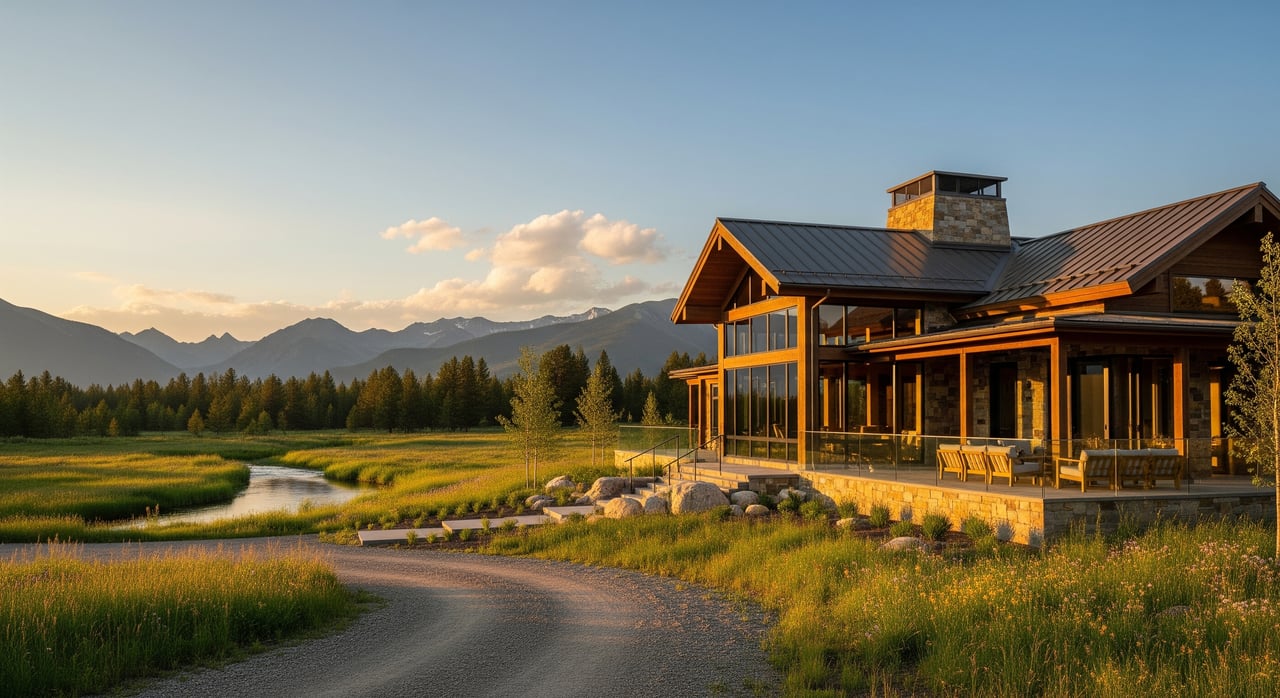
Thinking about selling your home in Fortine and wondering when to hit the market? Timing matters in a rural place where seasons shape buyer travel, property access, and how your land photographs. You want a smooth process, strong interest, and a price that reflects your home’s true value. In this guide, you’ll learn the best listing windows, an easy prep plan for the next 3 to 6 months, and rural tips that help your property stand out. Let’s dive in.
Why timing matters in Fortine
Fortine sits along Highway 93 between Eureka and Libby, where winter snow, private road access, and distance to services affect showings and inspections. When travel is easy, more buyers come to tour. When snow piles up, fewer showings happen and inspections can take longer.
Nationally, buyer interest tends to peak in spring and early summer. That pattern also fits Northwest Montana, where weather and travel align with the recreation season. You can see broad seasonal trends in home search and buying behavior in National Association of Realtors research. For practical planning around weather, check climate normals for the Libby and Eureka area from NOAA’s National Centers for Environmental Information.
Best months to list in Fortine
Many sellers aim for spring through early summer to capture peak buyer traffic and great photos. That said, your best time depends on your property, your timeline, and your readiness.
Spring advantages
- April to June often brings higher buyer search activity, improving your odds of early showings.
- Green lawns, flowering trees, and longer days boost curb appeal and photography.
- Families planning a summer move start touring, and inspections for wells and septic are easier to schedule.
Potential tradeoff: competition. More homes hit the market in spring, which means pricing and presentation need to be precise.
Early summer benefits
- June to July is prime for second‑home and recreation buyers who want acreage, privacy, and access to trails, lakes, and public lands.
- Long daylight hours help with flexible showings and twilight photos.
- Outdoor living spaces, river access, and views show beautifully.
Potential tradeoff: some families prefer closing later in summer, so your buyer pool may be a mix of local and out‑of‑area shoppers.
Late summer to early fall
- August to September keeps weather-friendly showings going and can deliver stunning fall color for photos.
- Competition may ease a bit after the spring surge.
Potential tradeoff: back‑to‑school schedules reduce weekday showings, and hunting season prep can affect weekend availability.
Winter considerations
- October to March offers less competition and often more motivated buyers. You can market a winter‑ready story, like insulation, heat sources, and cleared driveways.
- Be ready for access planning and shorter daylight. Frozen ground can complicate septic and well testing.
If you choose a winter listing, competitive pricing and reliable access are key. Use virtual tours to reach out‑of‑area buyers who travel less in snow months.
Who is shopping when
- Local buyers include families relocating, retirees, and residents upsizing or downsizing. Their timelines often follow school and work schedules.
- Out‑of‑area buyers include second‑home and small‑acreage seekers, recreation enthusiasts, and remote workers who value privacy and land.
Rural Lincoln County is sparsely populated compared with many metro areas, so marketing needs to reach beyond the immediate area. You can view county-level context in U.S. Census QuickFacts.
A 3 to 6 month prep plan
Whether you plan to sell soon or you want to hit peak season, follow a simple, rural‑focused plan.
If you plan to list in 3 months
- Weeks 1 to 2: Interview a local agent and request a comparative market analysis. Order key inspections early, including septic pump and inspection, well flow and water quality, roof, chimney or heat source, and a general pre‑listing inspection.
- Weeks 2 to 4: Tackle high‑priority repairs that affect safety, leaks, electrical or plumbing. Ensure access is safe, including driveway grading, culvert checks, and winter or mud‑season planning.
- Weeks 4 to 6: Declutter and stage with a focus on views, storage, and functional spaces. Gather documents such as surveys, easements, road maintenance agreements, and any timber, mineral, or grazing rights.
- Weeks 6 to 7: Schedule professional photos and video, including drone for acreage when useful. Pick a day with good light and clear access.
- Weeks 7 to 9: Deep clean, confirm signage placement, and have your agent finalize MLS details, floor plans, and marketing copy.
- Weeks 9 to 12: Launch on the MLS, group showings where possible, and be ready for weekend traffic.
If you plan to list in 6 months
- Months 1 to 2: Choose your agent and order surveys, septic and well testing, and estimates for major projects like roof work or driveway stabilization.
- Months 2 to 4: Complete repairs and improvements. Create defensible space for wildfire safety and clean up brush or pasture areas.
- Months 4 to 5: Stage for curb appeal with native plantings and organized outbuildings. If you plan to transfer service contracts, organize documentation.
- Month 5: Book photography for peak green season or fall color, and consider twilight interiors to show warmth.
- Month 6: Conduct a final pre‑listing check, confirm documents, then list.
For septic and well planning and timelines, consult Montana Department of Environmental Quality guidance. For wildfire mitigation tips and defensible space, use resources from Montana DNRC.
Rural checklist for a smoother sale
Use this quick list to keep your pre‑listing work organized.
- Inspections: septic pump and inspection, well flow and water quality, roof and heat source, plus a general pre‑listing review.
- Access: confirm plowing or grading responsibilities, service agreements, and gate instructions. Provide clear directions for showings.
- Paperwork: surveys, easements, road maintenance agreements, and any timber, mineral, or grazing rights that do or do not convey.
- Fire readiness: document recent mitigation and tree work. Keep driveways and turnarounds clear for emergency access.
- Connectivity: verify internet options with the FCC Broadband Map and note cell coverage. This matters to remote workers and out‑of‑area buyers.
- Photography: plan for green season or fall color when possible. If listing in winter, show plowed access and cozy interiors.
- Marketing assets: include a floor plan and virtual tour to support long‑distance buyers.
Pricing and marketing strategy that works here
Rural inventory can be tight, but days on market can stretch if pricing misses the mark. Use a local comparative market analysis that adjusts for acreage, water access, outbuildings, and timber value. Statewide and county-level market context is available from the Montana Association of REALTORS, and your local MLS will provide the best comparables.
Strong presentation matters. Drone and aerial images help buyers understand acreage, access, and proximity to waterways or public lands. Make sure any drone operator follows FAA UAS rules. A floor plan and a high‑quality virtual tour help out‑of‑area buyers tour before booking flights.
To maximize showings, group appointment windows on weekends and offer clear access notes. Provide inspection summaries and well or septic data upfront to build buyer confidence and reduce surprises.
When to schedule photos and tours
- Exterior photos: aim for late spring through early summer for lush greens, or early fall for golden larch and colorful aspens.
- Winter listings: schedule photos right after a plow day, and highlight interior warmth with a clean wood stove area or radiant heat details.
- Twilight sessions: show window views, lighting, and interior warmth.
- Aerials: use when they add context for acreage, road approach, and natural features, while staying compliant with FAA rules.
For climate context as you plan your shoot dates, consult NOAA’s NCEI.
Quick decision guide
- Want the most buyer traffic and you can be ready soon? Target April to July.
- Need time for repairs or defensible space work? Prep over winter or early spring and list late spring.
- Prefer less competition and confident your property shows well in snow? List in winter with strong virtual marketing and reliable access.
- Unsure about current local trends? Ask for a fresh Lincoln County market read that reflects the latest MLS data.
When you combine the right timing with strong prep and marketing, you give buyers a clear picture of your property and make it easy for them to say yes. If you want help aligning your timeline with Fortine’s seasons and today’s buyer traffic, let’s talk.
Ready to plan your sale in Fortine or nearby Eureka, Trego, or Rexford? Partner with a local senior broker who pairs hands‑on counsel with premium marketing and regional reach. Talk to Charity Waldo to get a custom plan and a data‑backed valuation.
FAQs
When is the best time to list a home in Fortine?
- Spring through early summer often brings the most buyer traffic, but your best window depends on property readiness and access.
Is winter a bad time to sell in Lincoln County?
- Not necessarily; there is less competition and motivated buyers, as long as you ensure safe access, clear pricing, and strong virtual marketing.
What inspections should Fortine sellers order before listing?
- Prioritize septic pump and inspection, well flow and water quality testing, roof and heat source checks, plus a general pre‑listing inspection.
How should I price rural acreage near Fortine?
- Use recent local comparables adjusted for acreage, water access, outbuildings, and timber value, then set a competitive price based on a CMA.
Do I need drone photos for rural property marketing?
- Aerials are helpful for acreage and access context, and they should be captured by an operator who follows FAA rules for commercial work.
How can out‑of‑area buyers view my home?
- Offer a 3D tour, floor plan, and scheduled virtual showings, then group in‑person appointments on weekends when travel is easier.